
Step Aboard the Titanic and Follow a Passenger's Journey Through History
The first thing they hand you isn't a ticket.
- Experience the immersive Titanic: The Exhibition through a personalized boarding card that follows one passenger's fate.
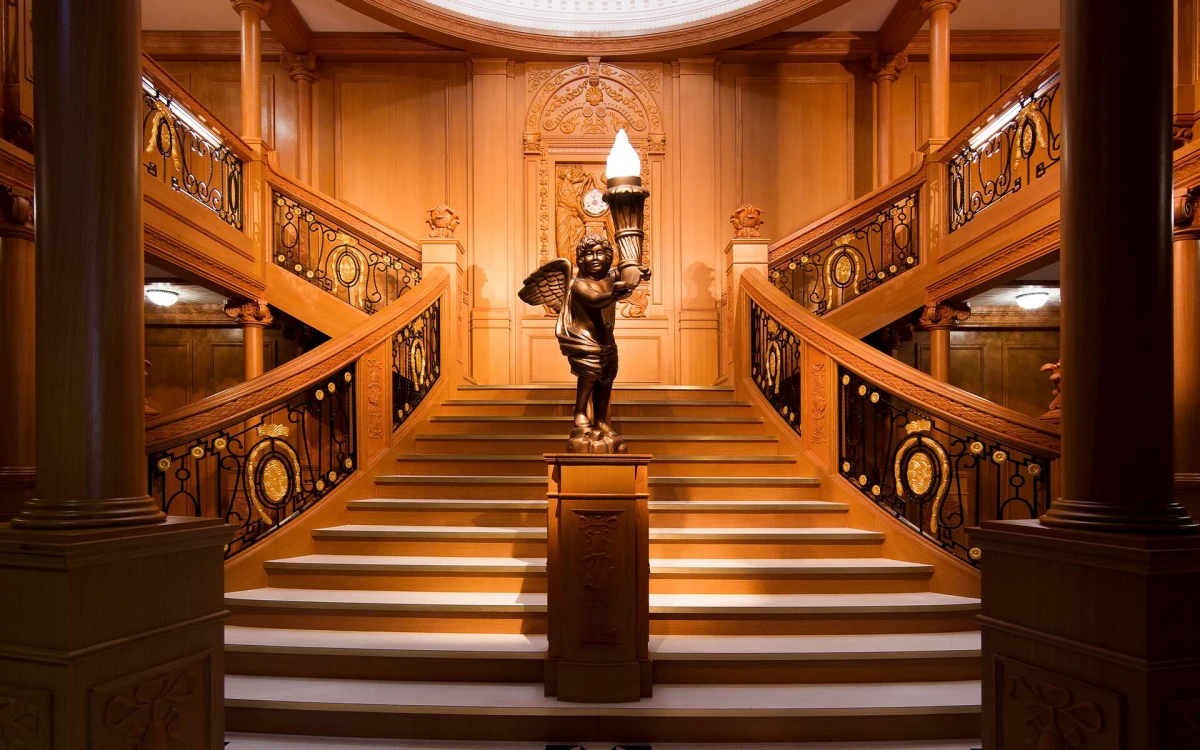
- Explore recreated first- and third-class accommodations and marvel at the replica Grand Staircase set to early 1900s music.
- See more than 300 artifacts connected to the Titanic and the White Star Line.
- Descend to the wreck site in the Discovery Gallery and opt for a virtual reality dive 2.5 miles beneath the Atlantic.
- The Charlotte stop includes a special Carolinas connection gallery highlighting that Cape Hatteras received one of Titanic's first distress messages.
It's a life.
When Lynn Mumaw stepped into Titanic: The Exhibition, she received a boarding card bearing the name of an actual passenger aboard the doomed ocean liner. Suddenly, this wasn't just another museum exhibit. It became a personal journey.
“I found myself looking for my passenger throughout the exhibit,” she said. “I wanted to know what happened to him.”
That's the quiet genius behind Titanic: The Exhibition, now open at Charlotte's Park Expo & Conference Center through Labor Day. Instead of simply presenting artifacts behind glass, the experience invites visitors to step aboard one of history's most famous ships and follow the story through the eyes of someone who was actually there.
ENTER FOR A CHANCE TO WIN TICKETS TO THIS EVENT!
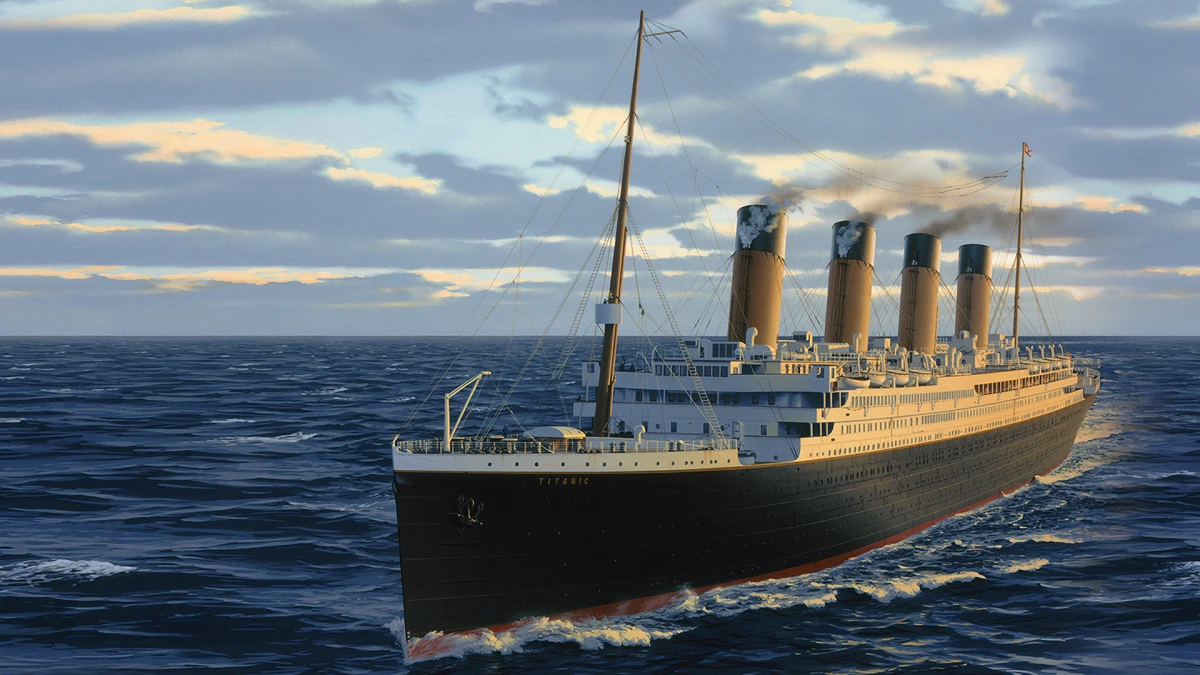
Step aboard the doomed ship in Charlotte.
Step Aboard the World's Most Famous Ship
As music from the early 1900s drifts through the galleries, visitors move from the excitement surrounding Titanic's construction and launch to the anticipation of her maiden voyage. Along the way, they explore recreated first- and third-class accommodations, walk past a replica of the ship's famous Grand Staircase, and encounter more than 300 artifacts connected to Titanic and the White Star Line.
For Mumaw, one of the most fascinating parts of the exhibit was learning about the ship itself.
“I really enjoyed reading about the construction of the Titanic and following the story from its beginning through the voyage,” she said.
The exhibit doesn't shy away from the tragedy, but it also highlights the ambition, luxury, and optimism that surrounded the ship before it ever left port. By the time visitors reach the memorial wall and discover the fate of the passenger on their boarding card, the story feels personal.
Charlotte's stop includes a special gallery exploring Titanic's connection to the Carolinas. Few people realize that the first distress message sent after the ship struck the iceberg was received at the U.S. Weather Bureau station on Cape Hatteras before being forwarded north.
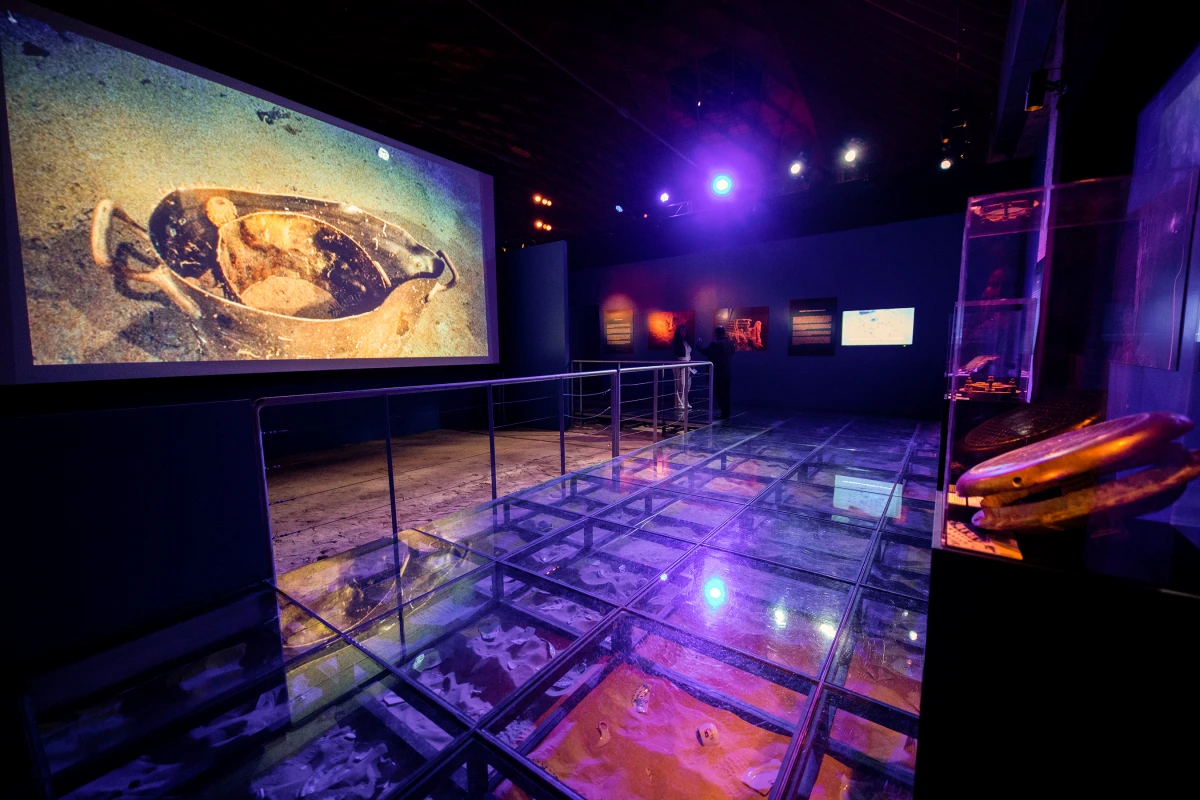
Experience a recreation of Titanic artifacts on the sea floor.
Descend to the Wreck Site
Visitors can also explore a Discovery Gallery dedicated to the wreck site, stand above a simulated ocean-floor debris field, and even add a virtual reality experience that descends 2.5 miles beneath the Atlantic to the ship's resting place.
More than a century after Titanic slipped beneath the waves, people still know how the story ends. What keeps them coming back is the chance to understand the people who lived it.
And for a few hours in Charlotte, visitors get to follow one passenger's story all the way to the end.
- Location: Park Expo & Conference Center, 800 Briar Creek Road, Charlotte, NC 28205
- Dates: Through September 7, 2026
- Tickets: $26.50–$60
- Website: thetitanicexhibition.com
- Allow: 90 minutes to 2 hours
Don't Miss: The passenger boarding card experience, the Grand Staircase replica, and the Carolinas connection gallery
The Carolina Connection
The Titanic's story feels a little closer to home in Charlotte.
Most people know the ship struck an iceberg in the North Atlantic. Fewer realize that one of the first distress messages sent from the Titanic was received in North Carolina. At 11:25 p.m. on April 14, 1912, the U.S. Weather Bureau station at Cape Hatteras (Outer Banks) received the ship's telegraph message reporting that it had struck an iceberg. The message was quickly forwarded to New York, helping spread word of the unfolding disaster.
The Charlotte exhibition explores this little-known connection in a special gallery created specifically for its North Carolina stop. It's a reminder that while the tragedy happened hundreds of miles offshore, the Carolinas played a small but important role in one of history's most famous maritime stories.